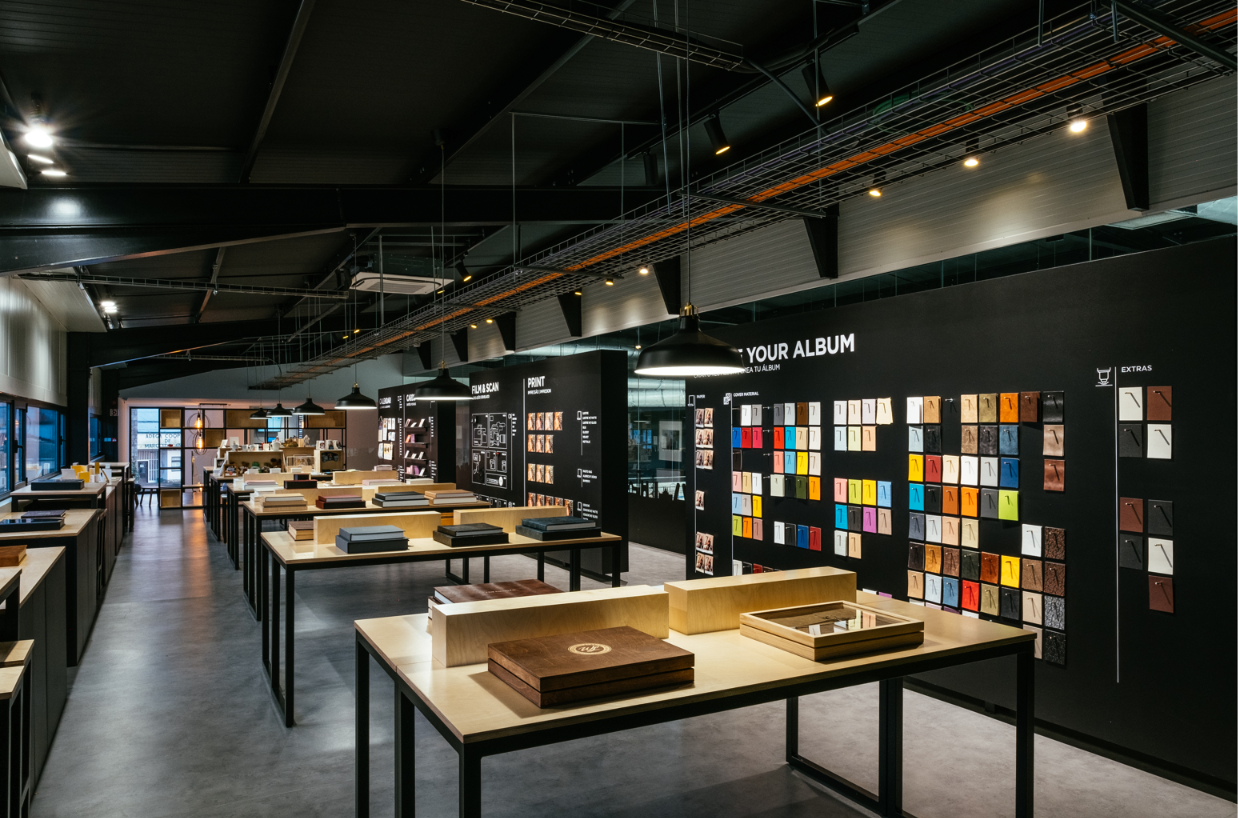
Portugal’s Dreambooks builds for growth with global ambitions and flexible production


Portugal’s Dreambooks builds for growth with global ambitions and flexible production
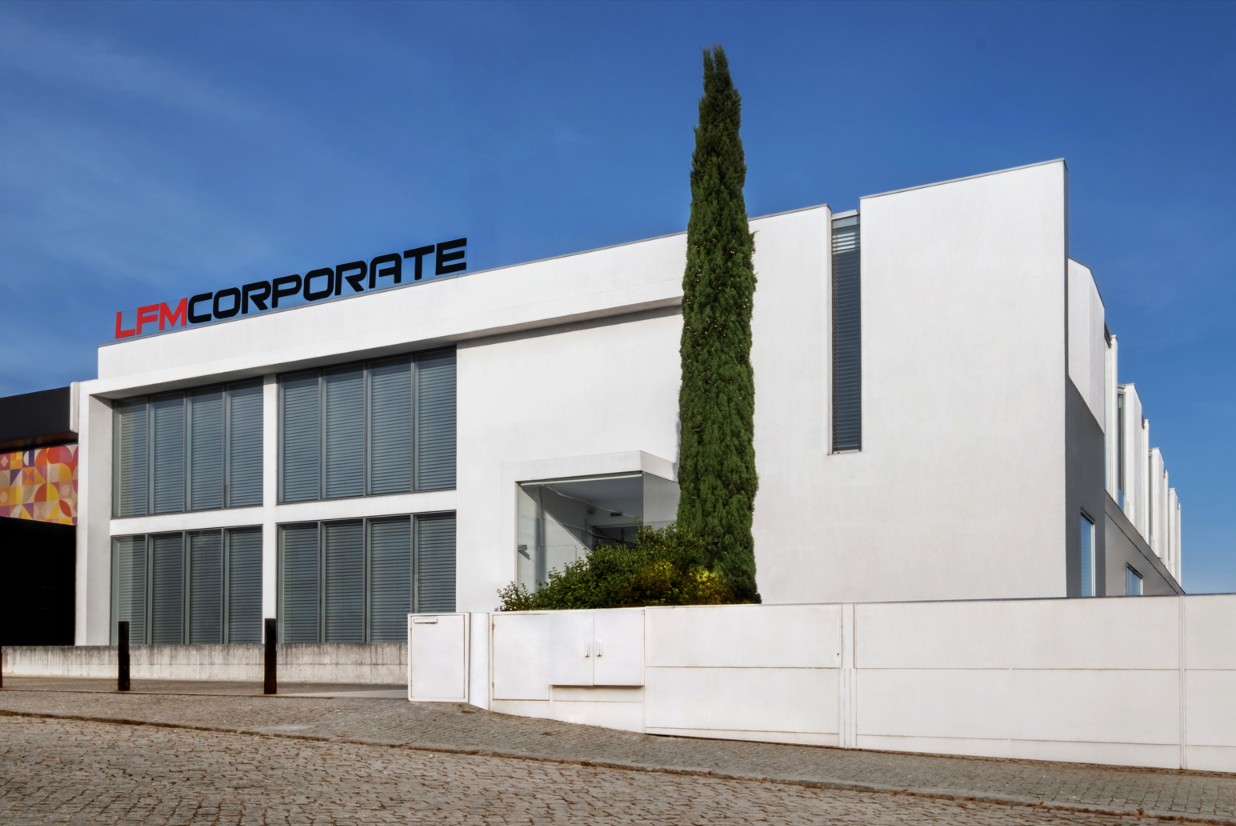
For Portugal’s LFM Corporate, the future of the photo album business depends on more than producing an attractive book. It requires international customers, dependable manufacturing, efficient software and the flexibility to respond as printing technologies evolve. Those priorities are shaping the group’s expansion of Dreambooks, its consumer brand, and DreambooksPro, which serves professional photographers.
During a video tour of the company’s production operations, Alfredo Aguiar, production manager, described a business that has grown well beyond its domestic market. Dreambooks sells across Europe and into the United States, Canada, Brazil, Panama and African markets. Its parent company’s 2026 overview reports €25 million in billing volume, more than 300 employees and four offices worldwide. The group traces its foundation to 1991.
The portfolio includes five complementary businesses: Retail and distribution operation LFMPro, professional laboratory OneLab Pro, DreambooksPro, consumer-oriented Dreambooks and the Fotosport retail chain. DreambooksPro, established in 2001, reports more than 60,000 clients in more than 30 countries; Dreambooks, established in 2007, reports more than 300,000 clients across Portugal, Brazil and Spain. Fotosport operates more than 40 stores in Portugal and Madeira.
Growth is particularly focused on overseas markets. LFM identifies the United States and Brazil as future priorities, while strengthening its presence in Italy and the Benelux countries. American professional orders include wedding and boudoir albums, categories in which premium materials and distinctive finishing can help differentiate an overseas supplier.
Brazil represents a larger manufacturing commitment. In the interview, Aguiar described plans for a new 10,000-square-meter production facility in São Paulo. The corporate overview also listed an ongoing project to double industrial capacity in Portugal.
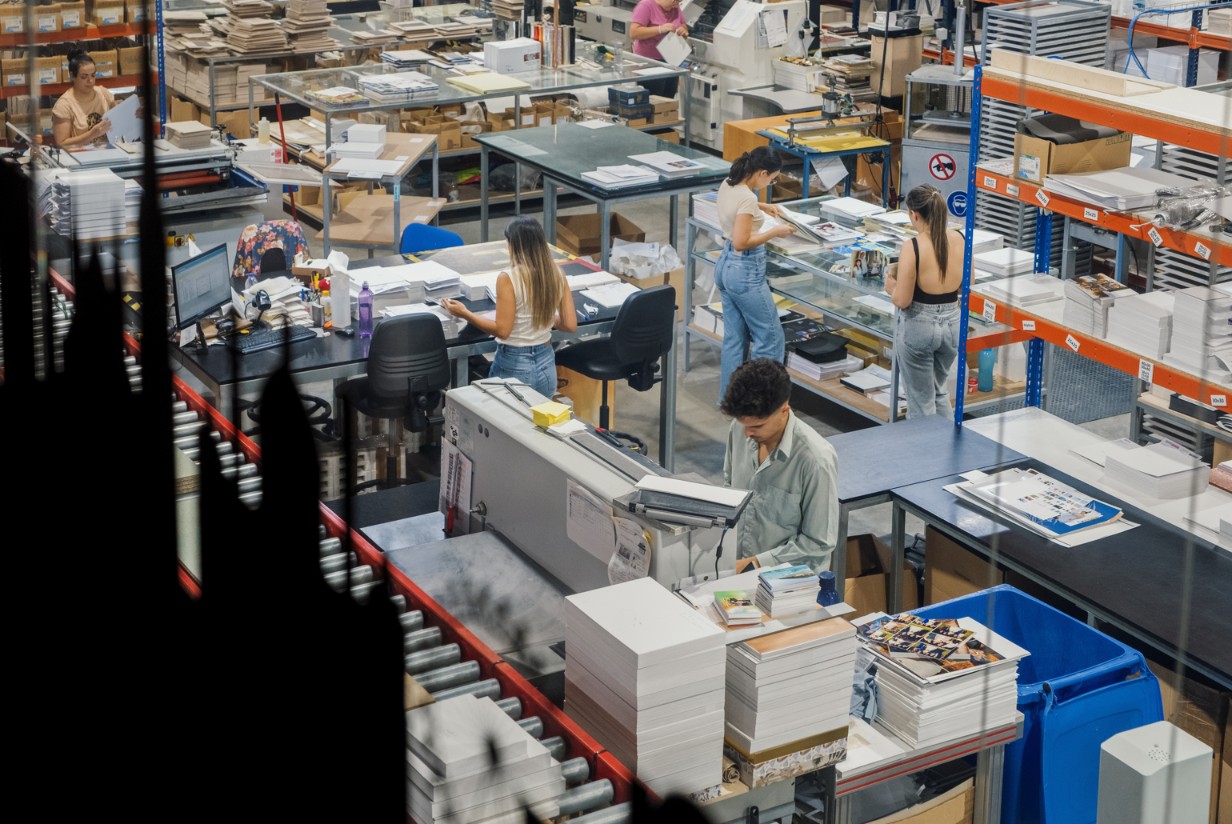
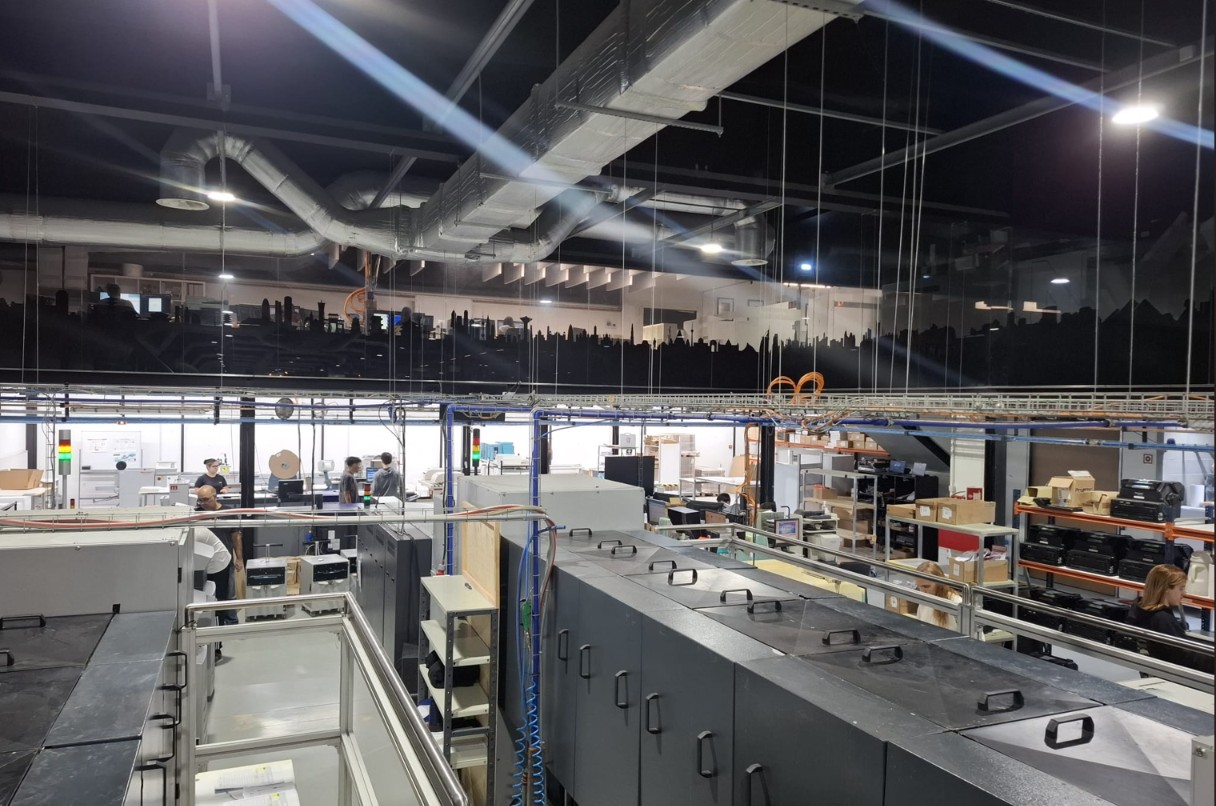
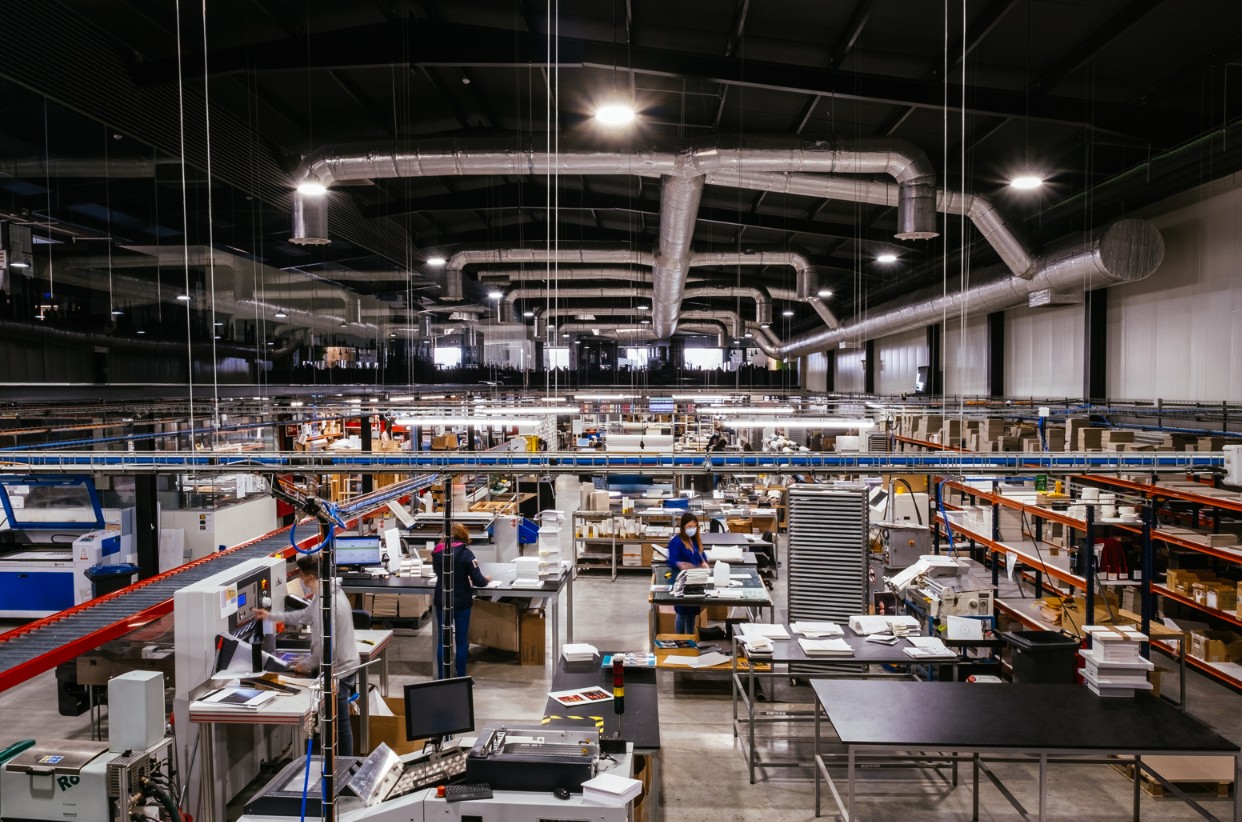
The scale creates an operational challenge: Photo albums are discretionary purchases, and demand is intensely seasonal. Aguiar said the operation was producing about 500 albums a day at the time of the interview, with output expected to roughly double during the Christmas rush.
“November is about 20 to 30% for sure,” Aguiar said of the company’s annual volume.
Consumer orders typically carry a five-day production commitment, compared with roughly eight days for professional albums requiring handmade covers, boxes and other finishing.
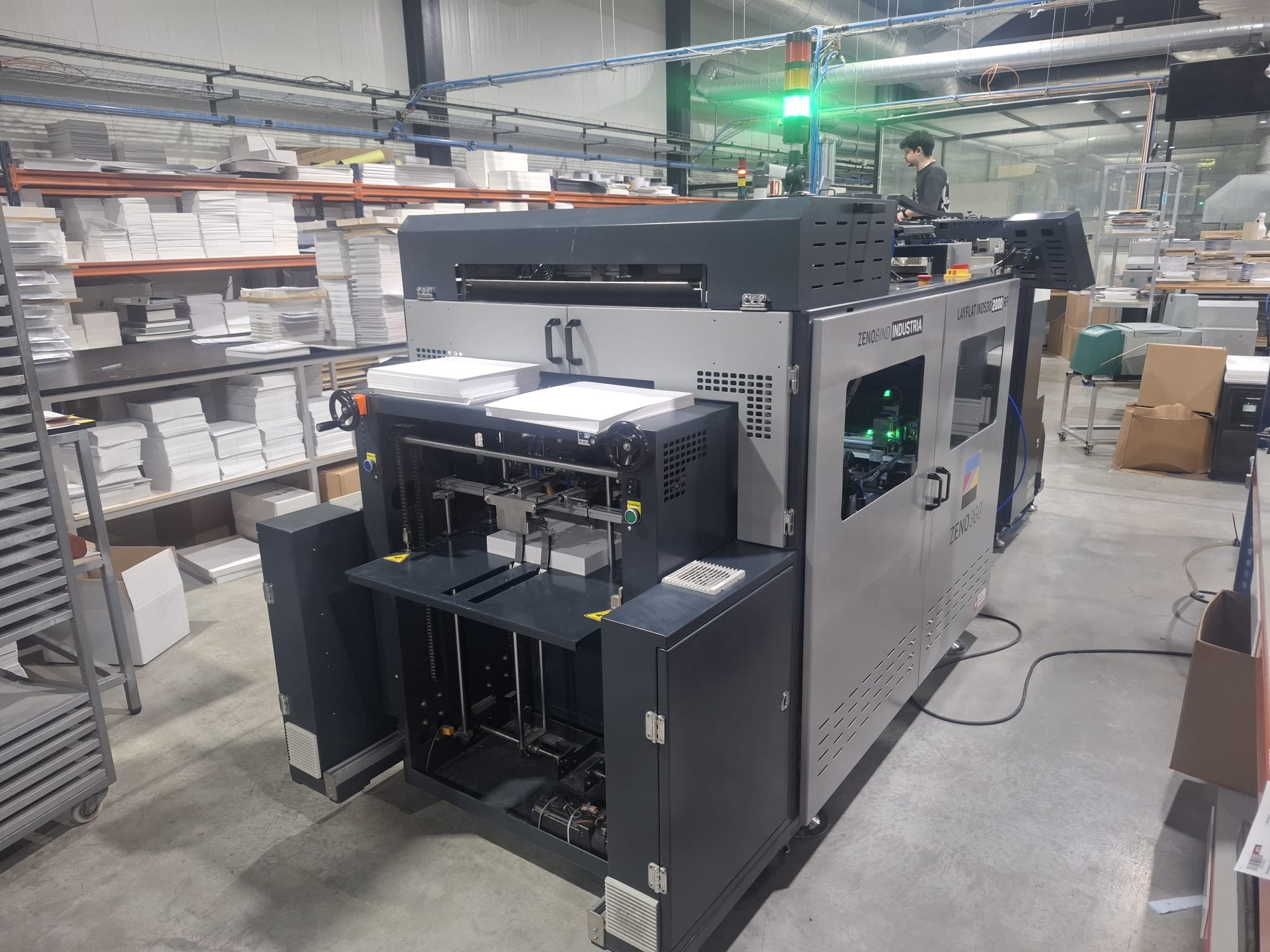
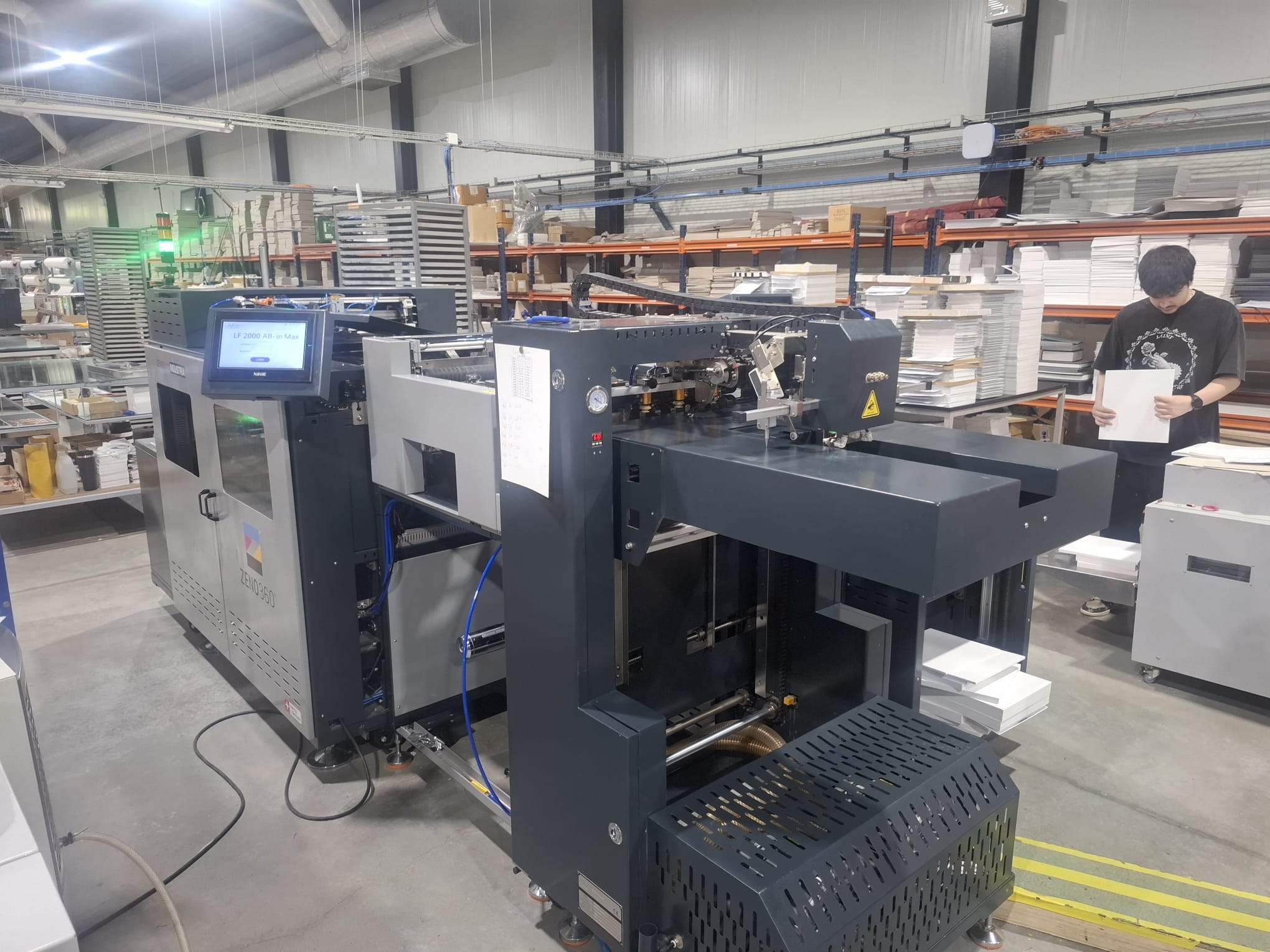
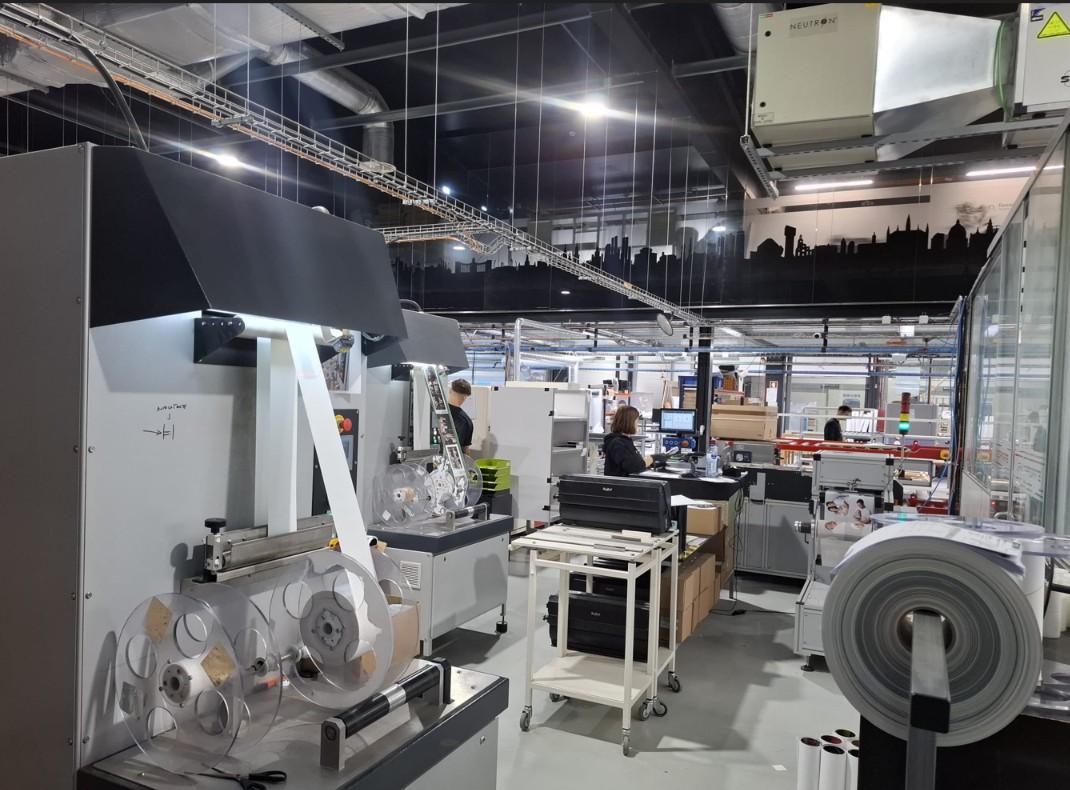
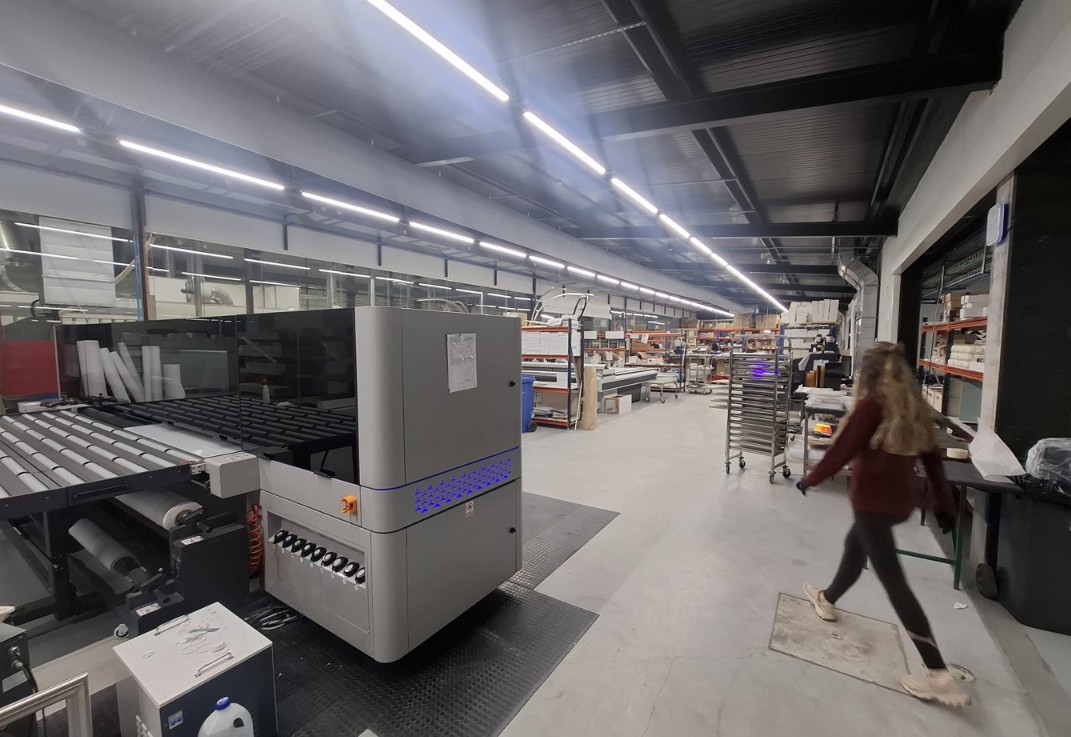
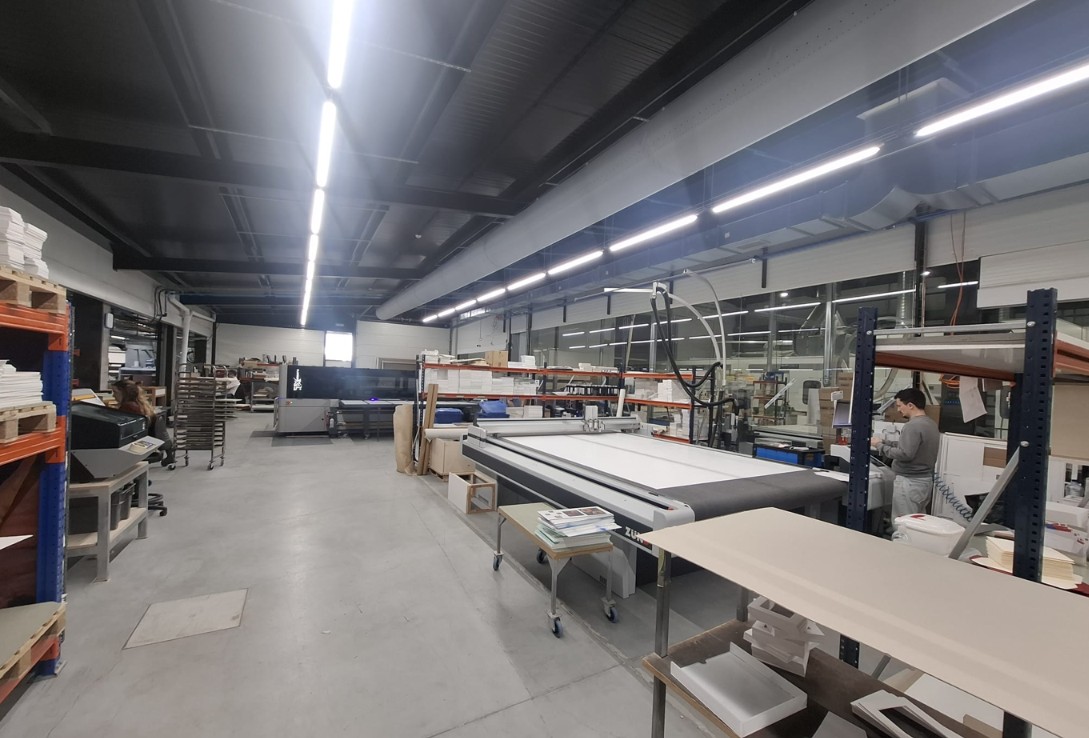
That is why equipment redundancy has become a central part of the production strategy. Dreambooks operates multiple production systems and recently added a Zeno360 album-binding unit, which accommodates both rolls and sheets and supports albums as large as 30 by 40 centimeters. It can back up different existing binding configurations, allowing maintenance without shutting down an entire production route.
Integrating the equipment was not entirely plug-and-play. Aguiar explained the Zeno360 machine assembled pages in the opposite order from existing systems, requiring Dreambooks to develop software that automatically prepares jobs in the correct sequence. Aguiar emphasized the practical objective: “We want a machine that we plant here in the facility, and it can work together.”
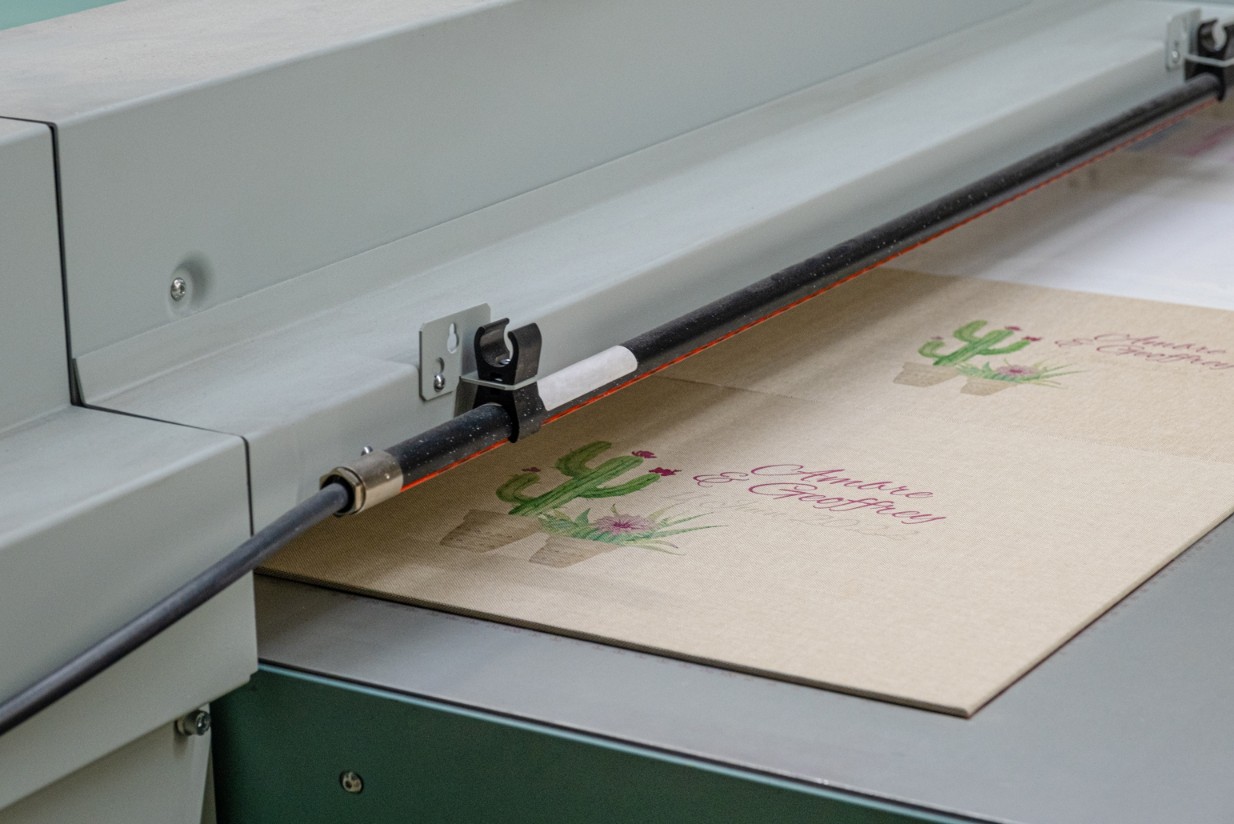
After roughly a year of operation, Aguiar said, “Probably we will acquire one or two units more,” but stressed that any purchase depends on demand. That conditional approach also extends to print technology: rather than commit exclusively to silver halide or digital printing, Dreambooks wants several production options available as the market changes.
Fujifilm’s silver-halide photographic paper remains an important part of that calculation. Pedro Rangel, key account manager of Fujifilm Portugal emphasized European professional customers continue to value its appearance and feel: “You don’t have to coat it. You don’t have to do UV varnish. It’s ready for the customer.”
Rangel acknowledged rising silver costs put pressure on laboratories, especially when customers resist higher prices. His response is that investment in efficient production and finishing equipment, including Zeno360 systems, can help established silver-halide workflows remain competitive. He cited Dreambooks among Portugal’s larger exporting labs, adding that, “The growth comes from the investments they made” in production lines.
Beyond machinery, LFM’s growth plans extend into software and logistics. Its overview describes an integrated DreambooksPro design-and-ordering platform, with a roadmap for online design, 3D proofing, AI-powered galleries, storefront tools, automated image culling and editing functions through early 2027. The company also lists robotics investment and a logistics target of processing 800 orders per hour. Those roadmap items should be distinguished from features already operating.
For U.S. customers, execution will determine whether those investments translate into sustainable growth. “The transportation for the United States is almost the cost of the album,” Aguiar said, making quality control essential. The company reports an approximately 1.2% worldwide issue or return rate and offers a lifetime warranty, including repairs to older album covers.